
<>
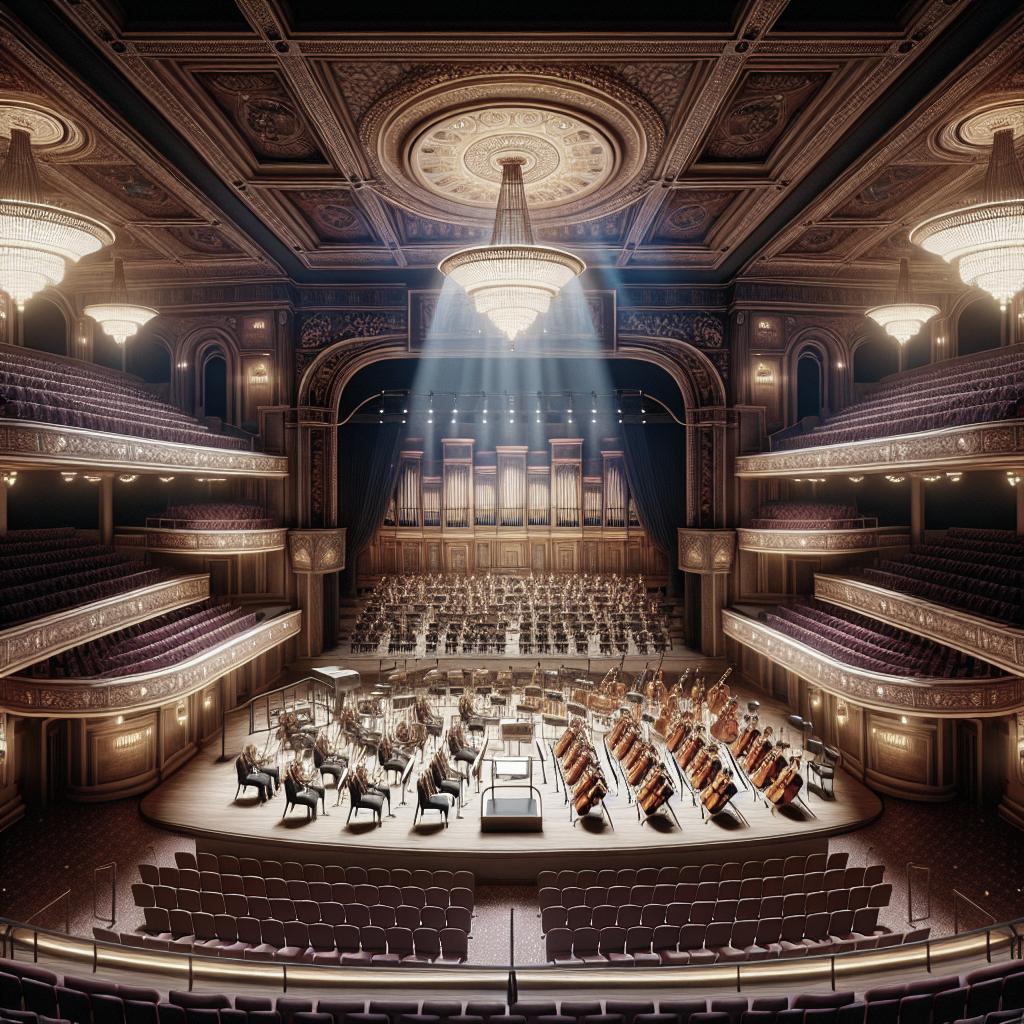
Orchestra concerts provide a transcendent experience, merging the intricate compositions of classical music with the architectural grandeur of concert halls around the world. Each concert venue has its own unique characteristics that enhance the auditory and visual experience, making each performance memorable. From the historical significance of the Grosser Musikvereinssaal in Vienna to the contemporary design of Philharmonie de Paris, these venues set the stage for orchestral brilliance. This blog post will explore some of the best venues for orchestra concerts, providing insights into their remarkable acoustics, architectural wonders, and cultural importance.
Culture and Congress Centre Concert Hall, Lucerne, Switzerland
Situated in the heart of Switzerland, the Culture and Congress Centre (KKL) in Lucerne is a state-of-the-art venue known for its impeccable acoustics. Designed by Jean Nouvel, the concert hall boasts a sophisticated architecture that blends seamlessly with the scenic beauty of Lake Lucerne. The KKL is home to the Lucerne Festival, an annual event that attracts world-renowned orchestras and conductors. The hall’s acoustic design, engineered by Russell Johnson, allows for unparalleled sound quality, providing a crisp and clear auditory experience for listeners. Its flexible stage and seating arrangements make it an ideal location for both intimate chamber performances and large orchestral concerts. The venue’s modern facilities, combined with its picturesque surroundings, create a unique and immersive experience for concertgoers.
Boston Symphony Hall, US
Opened in 1900, the Boston Symphony Hall is one of the finest concert venues in the United States. Crafted by architects McKim, Mead & White, it is the home of the Boston Symphony Orchestra. The hall is renowned for its exceptional acoustics, which were inspired by the second Gewandhaus in Leipzig, Germany, making it one of the first auditoriums designed for symphonic music. What sets the Boston Symphony Hall apart are its reverberation times and balanced sound distribution, ensuring that every note is heard distinctly. The venue’s neoclassical design, adorned with statues and intricate moldings, adds to the ambiance, creating an aesthetically pleasing environment. This historical masterpiece continues to be a popular destination for both musicians and music enthusiasts.
Bridgewater Hall, Manchester, UK
Established in 1996, Bridgewater Hall in Manchester is a modern marvel designed to accommodate a wide range of musical performances. The hall is the home of the Hallé Orchestra, the BBC Philharmonic, and Manchester Camerata. Its innovative construction includes 280,000 floor-mounted stainless steel springs, ensuring acoustic isolation from the surrounding environment. Bridgewater Hall’s design focuses on creating the best possible sound environment. Its meticulously crafted interior, featuring solid oak and European limewood, enhances the hall’s acoustic properties. With its distinctive architecture and commitment to sound excellence, it has earned a reputation as one of the premier concert venues in the United Kingdom.
Grosser Musikvereinssaal, Vienna, Austria
The Grosser Musikvereinssaal, often referred to as the “Golden Hall,” is iconic in the world of classical music. Located in Vienna, Austria, it is home to the Vienna Philharmonic Orchestra and has hosted numerous legendary performances since its opening in 1870. Designed by Theophil Hansen, the hall is a paragon of historical significance and acoustic perfection. The “Golden Hall” is famous for its pristine acoustics, offering an optimal blend of direct and reflected sound. Its lavish interior, embellished with gold leaf and statues, provides not only a visual feast but also plays a crucial role in its sound characteristics. This venue remains a dream destination for musicians and a cherished location for classical music lovers worldwide.
Berlin Philharmonie, Germany
The Berlin Philharmonie stands as a testament to innovative design and superior acoustics. Opened in 1963 and designed by Hans Scharoun, the Philharmonie defies the traditional rectangular concert hall layout with its revolutionary vineyard-style seating. The hall is home to the Berlin Philharmonic and has an enduring legacy of excellence in orchestral music. Its acoustic design ensures that sound resonates evenly throughout the hall, providing a consistent and immersive experience for every audience member. The modernist architecture, characterized by its tent-like structure and bright yellow facade, symbolizes creativity and forward-thinking. Berlin Philharmonie remains a monumental achievement in both architectural and acoustic engineering.
Christchurch Town Hall Auditorium, New Zealand
The Christchurch Town Hall Auditorium, located in New Zealand, is a centerpiece of cultural life in the city. Originally opened in 1972 and revamped after the 2011 earthquakes, the hall is celebrated for its excellent acoustics, designed by Sir Harold Marshall and the team from Marshall Day Acoustics. Renowned for its “shoebox” design, the auditorium delivers a rich and clear sound experience, ideal for orchestral performances. The hall’s refurbishment has preserved its iconic features while enhancing its acoustic capabilities. This venue stands as a testament to resilience and dedication to maintaining high standards in the performing arts.
Philharmonie de Paris, France
Located in the Parc de la Villette in Paris, the Philharmonie de Paris is a modern concert venue that opened its doors in 2015. Designed by Jean Nouvel, the hall is known for its dynamic architecture and modular design. This cutting-edge venue is home to the Orchestre de Paris and hosts an array of musical performances. Philharmonie de Paris features a unique vineyard-style seating arrangement that maximizes acoustic quality and visual intimacy. Its flexible configuration allows for various performance types, providing a versatile space for orchestral music. The venue’s contemporary design and state-of-the-art acoustics position it as a leading concert hall on the global stage.
The Sibelius Hall, Lahti, Finland
Named after the famed Finnish composer Jean Sibelius, the Sibelius Hall in Lahti is a modern concert venue renowned for its impressive acoustics. Opened in the year 2000, this wooden concert hall is notable for its harmonious blend of natural materials and innovative design. The hall is the home of the Lahti Symphony Orchestra. The acoustic design, credited to Russell Johnson, ensures a superior sound experience, balancing clarity and warmth. The use of wood not only adds to the visual appeal but also enhances the hall’s sound qualities. Sibelius Hall stands as a premier venue for orchestral concerts, blending tradition with modernity.
Tokyo Opera City Concert Hall, Japan
Tokyo Opera City Concert Hall is a prestigious venue in Japan, revered for its architecture and acoustic excellence. Opened in 1997, the hall features a distinctive “shoe-box” design, known for producing superb acoustic results. It is home to the Tokyo Philharmonic Orchestra and serves as a hub for classical music in Tokyo. The hall’s interior, crafted with wood and other fine materials, is designed to optimize sound quality, providing a clear and resonant auditory experience. Its strategic design and advanced acoustic technology make Tokyo Opera City Concert Hall a standout venue for orchestral performances. The venue continues to attract top-tier musicians and conductors from around the globe.
Sala São Paulo, Brazil
Housed in a former train station, the Sala São Paulo is a testament to architectural transformation and acoustic brilliance. Situated in Brazil, this concert hall opened in 1999 and serves as the home of the São Paulo State Symphony Orchestra. Its eclectic mix of historical architecture and modern acoustic technology makes it a unique concert venue. The hall’s reverberation system can be adjusted, allowing for tailored acoustics suitable for various music genres. The restoration preserved the old charm while integrating modern amenities, creating an environment ideal for orchestral concerts. Sala São Paulo showcases the harmonious blend of heritage and innovation, making it a celebrated venue in South America. ### Summary of main points “`
| Venue | Location | Key Features |
|---|---|---|
| Culture and Congress Centre Concert Hall | Lucerne, Switzerland | Impeccable acoustics, scenic surroundings, modern design |
| Boston Symphony Hall | US | Exceptional acoustics, neoclassical design, historical significance |
| Bridgewater Hall | Manchester, UK | Modern construction, acoustic isolation, innovative interior |
| Grosser Musikvereinssaal | Vienna, Austria | Historical significance, lavish interior, pristine acoustics |
| Berlin Philharmonie | Germany | Innovative design, vineyard-style seating, consistent acoustics |
| Christchurch Town Hall Auditorium | New Zealand | Rich sound experience, “shoebox” design, resilience |
| Philharmonie de Paris | France | Dynamic architecture, modular design, vineyard-style seating |
| The Sibelius Hall | Lahti, Finland | Impressive acoustics, use of natural materials, modern design |
| Tokyo Opera City Concert Hall | Japan | Superb acoustics, “shoe-box” design, advanced technology |
| Sala São Paulo | Brazil | Architectural transformation, adjustable acoustics, historical charm |
“`

