<>
“`
Lawrence Welk, a name often synonymous with bubbly, feel-good music, has had a more profound impact on popular music than many realize. This blog post explores the significant influence Lawrence Welk had through various sectors and collaborators in the music industry. We’ll examine the role of key figures such as Stan Chambers, Skitch Henderson, Herb Jellinek, John A. Martinelli, and John Silva, and highlight how Welk’s collaborative spirit and musical ingenuity fostered a unique era of television and music that continues to resonate with audiences today.
Tabs
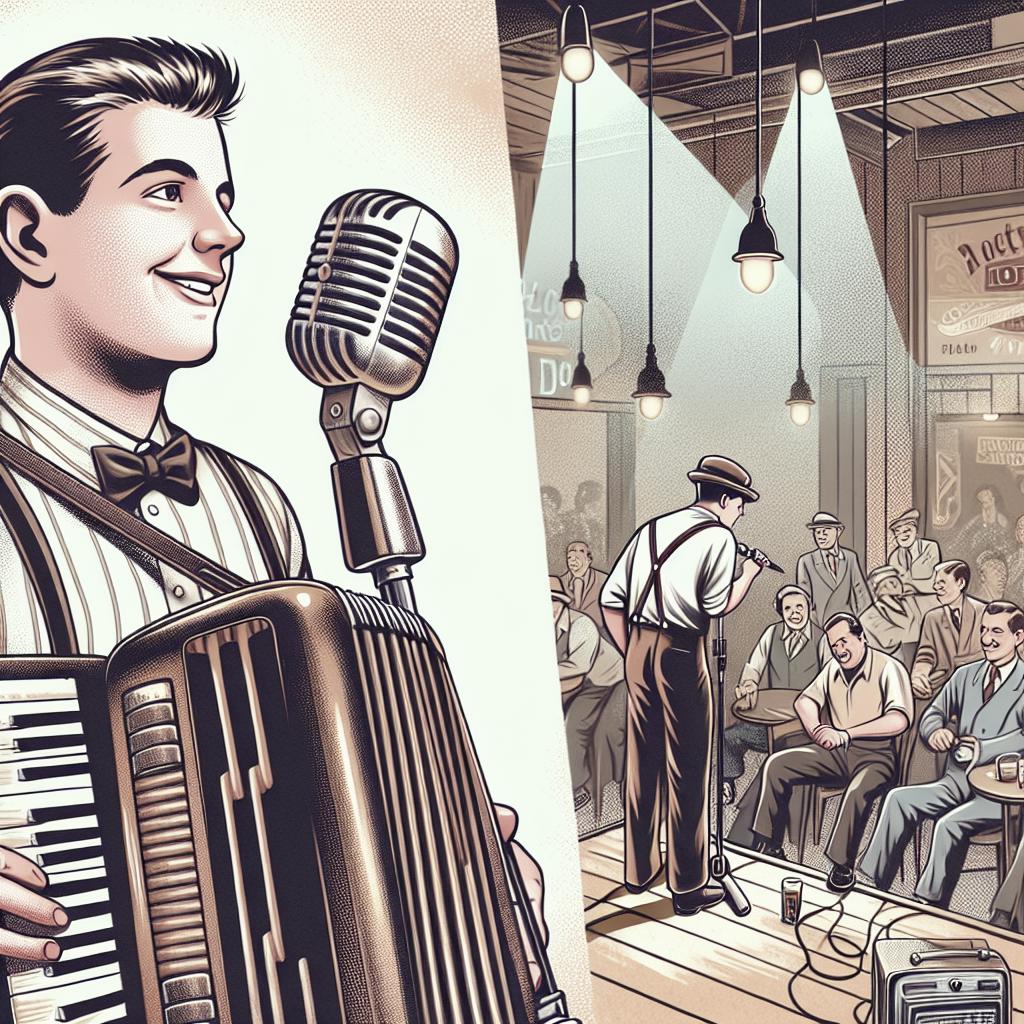
Lawrence Welk’s musical journey began in the era of dance bands, a time where “tabs,” short for tablatures, played a crucial role in shaping the soundscape. In his early career, Welk assembled a small dance band that quickly gained popularity due to their rigorous practice and tight performances. The use of tabs allowed the musicians to be versatile, enabling them to play a vast range of music effortlessly.
By consistently practicing with these tabs, Welk and his band became adept at reading music swiftly, which allowed them to incorporate a variety of genres into their repertoire. This adaptability not only broadened their appeal but also helped set the stage for Welk’s television success, where versatility was key to keeping viewers engaged. This method of music arrangement ensured that the ensemble maintained a high level of professionalism, a hallmark that carried through Welk’s career.
Stan Chambers
Stan Chambers, a notable figure in television journalism, was not directly part of Lawrence Welk’s orchestra, but his work contextualizes the era in which Welk thrived. Chambers’ pioneering live TV coverage laid the groundwork for the evolution of television as a medium for live events and entertainment, including music shows like The Lawrence Welk Show.
Chambers’ work demonstrated the power of live television and how it could captivate and influence public opinion, much like how Welk’s live musical performances enchanted audiences. The growing trust in television as a medium of truthful and lively content led to a surge in TV musical shows, where Welk capitalized by providing wholesome family entertainment with a live orchestra, which became a staple for decades.
Skitch Henderson
Skitch Henderson, a conductor and pianist, shared a similar knack for combining traditional and contemporary music with Lawrence Welk. Henderson, who led The Tonight Show band, played a significant role in popularizing orchestral ensembles on television, mirroring Welk’s success with his own orchestra.
Both Henderson and Welk understood the appeal of a well-arranged, visually appealing musical performance. Henderson’s influence showed Welk how to balance between keeping music sophisticated yet accessible, ensuring a broad appeal. Their contributions elevated the role of orchestra leaders in TV, proving that creative musical direction could hold a central place in American entertainment.
Herb Jellinek
Herb Jellinek, though lesser-known, contributed significantly to the promotional aspects of television music. Working behind the scenes, Jellinek helped market The Lawrence Welk Show, creating iconic images and promotional content that mirrored the wholesome and bubbly essence of Welk’s music.
Jellinek’s ability to capture the spirit of Welk’s brand in promotional materials ensured that the show maintained a consistent and inviting image. His work demonstrated the importance of cohesive branding and marketing in the success of television programs. Through his efforts, The Lawrence Welk Show retained its unique identity, drawing millions of viewers who were eager to experience its charming musical presentations.
John A. Martinelli
John A. Martinelli was an instrumental figure in the production side of The Lawrence Welk Show. His expertise ensured that the technical aspects of the broadcast were flawless, which was crucial in maintaining the show’s professional image. Martinelli’s contributions are a testament to the importance of behind-the-scenes excellence in broadcast production.
By ensuring the highest production values, Martinelli helped translate Welk’s vision into a seamless viewing experience. The technical quality of the show played a crucial role in its ability to attract and maintain a loyal audience. Martinelli’s dedication to production excellence allowed Welk’s musical talent to shine brightly on the national stage.
John Silva
John Silva, an integral part of the production team, was known for his innovative approaches to television programming. His influence ensured that The Lawrence Welk Show stayed relevant in a rapidly evolving media landscape. Silva’s ability to adapt to changing viewer preferences while staying true to the show’s core values was key to its long-term success.
Silva’s innovative ideas in television production, such as introducing new camera angles and experimenting with different staging techniques, kept the show fresh and engaging. By constantly pushing the envelope, Silva ensured that The Lawrence Welk Show remained a beloved staple of American television for many years, demonstrating the importance of innovation even in traditional formats.
Other Expressions
Lawrence Welk’s influence extended beyond his own show into the broader realm of popular music. His insistence on high standards in musical performance inspired many subsequent artists and producers. By blending various musical styles and prioritizing quality, Welk set a precedent that influenced future television shows and musical acts.
Moreover, many musicians who gained exposure on The Lawrence Welk Show went on to have successful careers in the music industry. The show’s platform allowed them to reach a wide audience, and its legacy continues to inform the way live television music is produced and consumed.
Share this:
Related
- 10 Influential Music TV Shows of the 20th Century
- The Evolution of Live Music Performances on Television
- Profiles in Music Innovation: Lawrence Welk
Lessons Learned
| Topic | Key Points |
|---|---|
| Tabs | Importance of musical versatility through tabs, setting stage for TV success. |
| Stan Chambers | Pioneering live TV as a trust-building medium, paralleling Welk’s televised performances. |
| Skitch Henderson | Combining traditional and contemporary music, elevating orchestra leaders on TV. |
| Herb Jellinek | Effective promotional strategies that captured and marketed the show’s essence. |
| John A. Martinelli | Technical excellence in production, translating Welk’s vision seamlessly. |
| John Silva | Innovative production techniques kept the show relevant and engaging. |
“`