<>
“`
Lawrence Welk stands as a towering figure in the history of big band music. Known for his “champagne music,” Welk’s influence extended from the dance halls of the early 20th century to the television screens of mid-century America. This blog post explores Welk’s significant contributions to big band music by delving into the history of television in the U.S., examining Welk’s role in shaping the genre, and providing valuable resources for those seeking to learn more about his lasting impact. Whether you’re a long-time fan or new to Welk’s music, this comprehensive look offers insights and appreciation for his work.
Learn about this topic in these articles:
History of Television in the U.S.
Television in the United States went through a period of rapid development and transformation during the mid-20th century. With the advent of regular programming in the late 1940s and 1950s, television became a central fixture in American homes. This era saw the birth of many iconic shows that defined American culture. Programs like “I Love Lucy,” “The Ed Sullivan Show,” and various news broadcasts became household staples, setting a standard for future television content while significantly influencing other media.
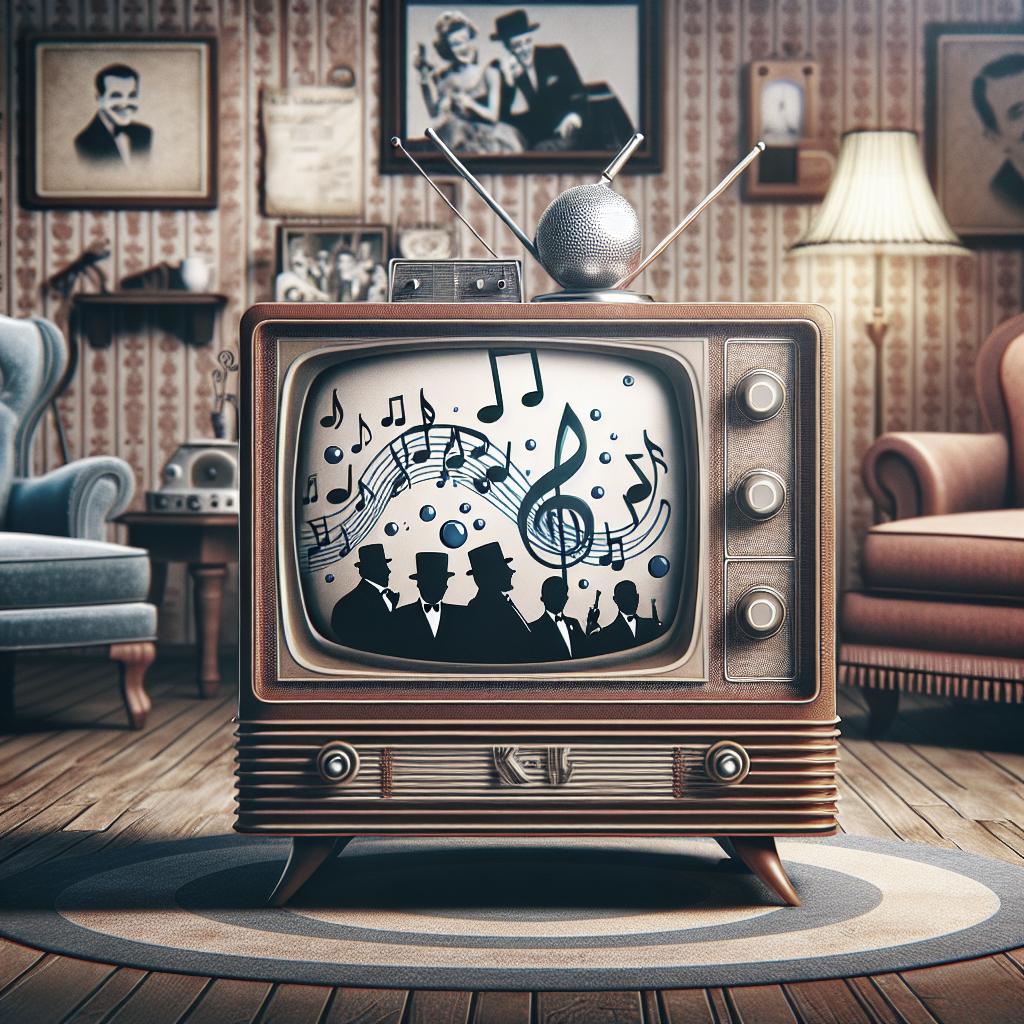
Amid this booming period, Lawrence Welk found his unique place. His show, “The Lawrence Welk Show,” first aired on local television in Los Angeles on May 11, 1951. TV networks quickly saw its potential, and by 1955, it had secured a national platform on ABC. Welk’s show capitalized on the burgeoning television landscape, bringing big band music into living rooms across the country and creating a new way for audiences to experience live music.
This thriving television environment allowed various genres to find their spot, and Welk’s big band music was no exception. His show’s format, featuring orchestral music, dancing, and wholesome entertainment, appealed to a broad audience and stood out in an era dominated by sitcoms and variety shows, thus cementing its legacy in television history.
Role of Welk
Lawrence Welk’s role in the evolution of big band music cannot be overstated. Welk was a meticulous bandleader known for his attention to detail and commitment to producing high-quality, polished performances. He began his career in the 1920s and 1930s, playing in small bands and gradually building a reputation for his tight, melodic arrangements. By the time television became a medium for entertainment, Welk was well-positioned to take advantage of it.
Welk’s “champagne music” style was characterized by its light, bubbly, and highly accessible nature. This stylistic choice played a significant role in broadening the appeal of big band music. While other big band leaders focused on intricate jazz solos and more complex arrangements, Welk opted for a more straightforward and melodic approach that resonated with a broader audience. This inclusive strategy helped sustain the genre during a time when rock ‘n’ roll and other forms of popular music began to dominate the airwaves.
Moreover, Welk was instrumental in nurturing young talent. His show served as a launching pad for many artists, giving them a platform to showcase their skills to a national audience. Singers and musicians like The Lennon Sisters, Lynn Anderson, and Pete Fountain gained significant exposure and career boosts due to their association with Welk. In this way, his contributions extended beyond his music, impacting the broader music industry and helping to sustain the careers of countless performers.
Lawrence Welk Resources
For those looking to delve deeper into the life and work of Lawrence Welk, numerous resources are available. Biographies such as “Wunnerful, Wunnerful!: The Autobiography of Lawrence Welk” provide personal insights into Welk’s experiences and philosophies. Additionally, the Lawrence Welk Museum in Escondido, California, offers a treasure trove of memorabilia, archival footage, and exhibits dedicated to Welk’s life and career.
Online platforms also host a wealth of information. The official Lawrence Welk Show website features episode guides, artist profiles, and historical notes that can enrich one’s understanding of Welk’s cultural impact. Similarly, music streaming services like Spotify and Apple Music offer extensive catalogs of Welk’s recordings, making it easy to explore his musical repertoire from the comfort of your own home.
For academic pursuits, various scholarly articles and research papers analyze Welk’s influence on American music and television. These texts often explore the broader cultural significance of his work, providing critical perspectives that highlight his contributions to the entertainment industry and American society as a whole. Whether through books, museums, online resources, or academic papers, the legacy of Lawrence Welk is well-documented and accessible to anyone interested in learning more.
Final Thoughts
| Aspect | Details |
|---|---|
| History of Television in the U.S. | Explores the television boom of the mid-20th century, its impact on American culture, and how Welk’s show capitalized on this new medium. |
| Role of Welk | Details Welk’s meticulous approach to big band music, the creation of his “champagne music” style, and his role in nurturing young talent. |
| Lawrence Welk Resources | Lists various biographies, museums, online platforms, and academic resources for those interested in learning more about Welk’s life and contributions. |
“`