<>
“`
Lawrence Welk, an iconic musician and bandleader, is a name that resonates with multiple generations of music enthusiasts. Welk’s ability to traverse diverse musical landscapes has cemented his place in the annals of American music history. This blog post explores the various musical styles Lawrence Welk delved into over his career. From Big Band and Swing to Polka, Americana, and even contemporary styles, Welk’s contributions have significantly influenced the musical tapestry of the 20th century. Join us as we explore the melodic world crafted by “Mister Champagne Music” himself.
Big Band and Swing
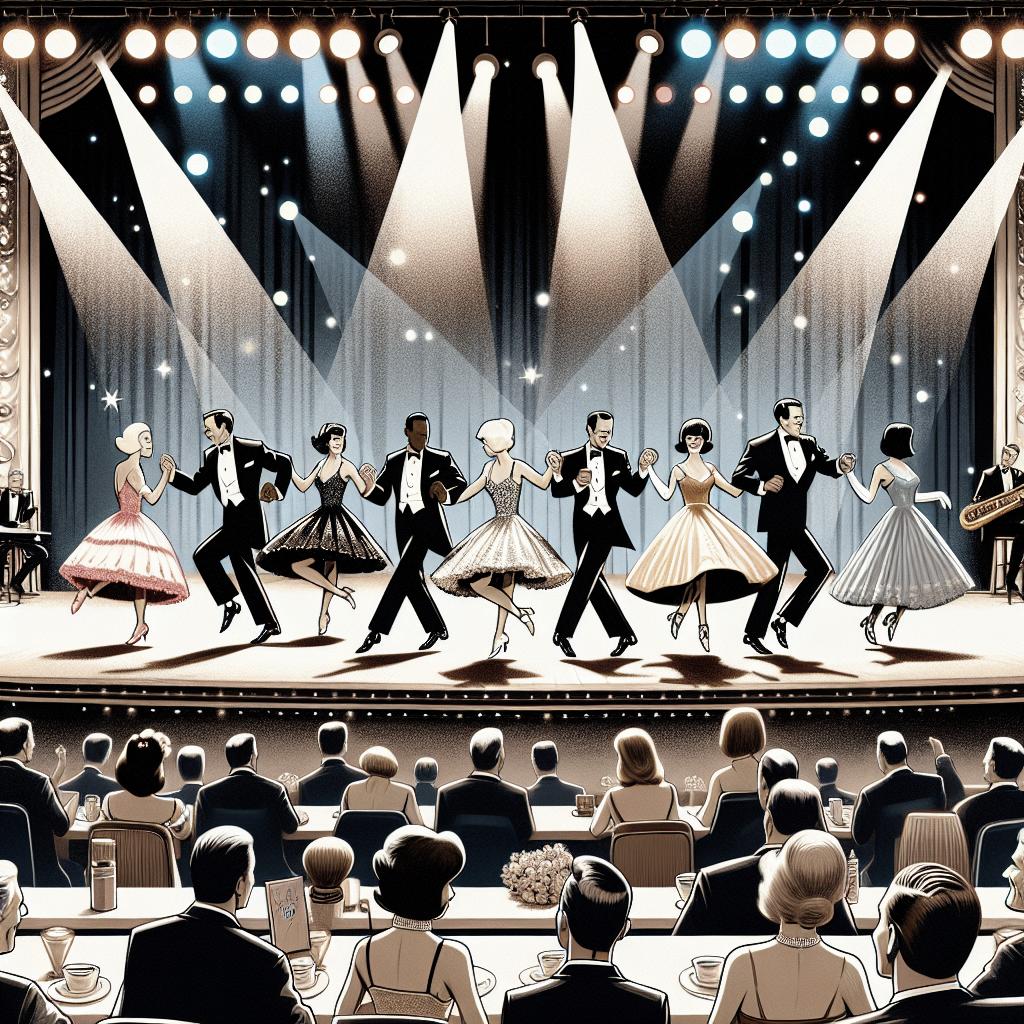
Lawrence Welk’s initial foray into the music scene was primarily rooted in the Big Band and Swing genres, which were predominant in the early to mid-20th century. Welk’s orchestra became known for its meticulously arranged compositions and toe-tapping rhythms, which captured the zeitgeist of an era defined by dance halls and grand ballrooms.
Welk’s rendition of Big Band music was characterized by smooth, flowing melodies that made heavy use of brass and woodwind instruments, creating a rich, harmonious blend that was instantly recognizable. His penchant for presenting a more “polished” and “clean-cut” version of Swing music distinguished him from many of his contemporaries. As a result, Welk’s Big Band performances exuded an air of sophistication, making them a favorite among mainstream audiences and broadcast networks alike.
Polka
Lawrence Welk’s roots in the rural Midwest greatly influenced his musical style, particularly his affection for Polka music. Welk, who was born into a German-speaking family of Palatine immigrants in North Dakota, infused traditional European Polka into his musical repertoire, making this lively and rhythmic genre widely popular across America.
Polka became one of Welk’s signature styles, featuring prominently in his television shows. With its energetic beats and accordion-driven melodies, Polka music helped establish a familial atmosphere that endeared Welk to viewers. His polka renditions, like the iconic “Beer Barrel Polka,” were a hit, resonating with both older audiences reminiscent of European folk traditions and younger listeners seeking new, vibrant sounds.
Americana and Folk
In addition to Big Band and Polka, Lawrence Welk also ventured into Americana and Folk music, further broadening his musical horizon. Welk’s television show often showcased American folk classics, celebrating the cultural heritage of the United States. His orchestra and musical guests regularly performed songs that highlighted America’s rural roots and historic narratives.
Welk’s approach to Americana was inclusive, often blending folk instruments such as banjos, harmonicas, and fiddles into his arrangements. These performances resonated with a wide audience, bringing traditional American sounds to households across the nation. Through his platform, Welk played a significant role in keeping folk music relevant during a time when the music industry was rapidly evolving.
Contemporary and Popular Music
Despite his traditional inclinations, Lawrence Welk was not averse to contemporary popular music. Throughout his career, Welk made concerted efforts to integrate contemporary hits into his orchestra’s setlist. This not only showcased his versatility but also kept his performances fresh and appealing to younger generations.
Welk’s interpretations of contemporary songs were often reimagined to fit his orchestra’s classic style, while still honoring the charm of the original works. Whether it was renditions of pop tunes, rock ‘n’ roll compositions, or popular standards of the time, Welk’s ability to adapt and innovate made his show a must-watch, ensuring its prolonged success over the years.
Share this post:
Categories
- Music History
- Entertainment
- Television
Share this:
Related
Next steps
| Musical Style | Characteristics | Impact |
|---|---|---|
| Big Band and Swing | Orchestral arrangements with a focus on brass and woodwinds | Broad mainstream appeal; sophisticated entertainment |
| Polka | Rhythmic, energetic beats with accordion melodies | Popularized European folk music; created a familial atmosphere |
| Americana and Folk | Incorporation of banjos, harmonicas, fiddles | Preserved and celebrated American cultural heritage |
| Contemporary and Popular Music | Adapted contemporary songs to a classic orchestral style | Maintained fresh appeal and attracted younger audiences |
“`