< lang="en">
Lawrence Welk, a household name in mid-20th-century American television, is celebrated for leading one of the most recognizable orchestras of his time. This post delves into the makeup and style of Welk’s orchestra, discerning what set it apart. Delving into Welk’s entertainment style, we’ll explore the musical and cultural impact of his band. Additionally, we’ll verify these insights through carefully sourced citations, ensuring the utmost accuracy in the information presented. If you’re a fan of vintage music, TV history, or just curious about how orchestras gel together, this article offers a comprehensive look into Lawrence Welk’s musical legacy.
Entertainer
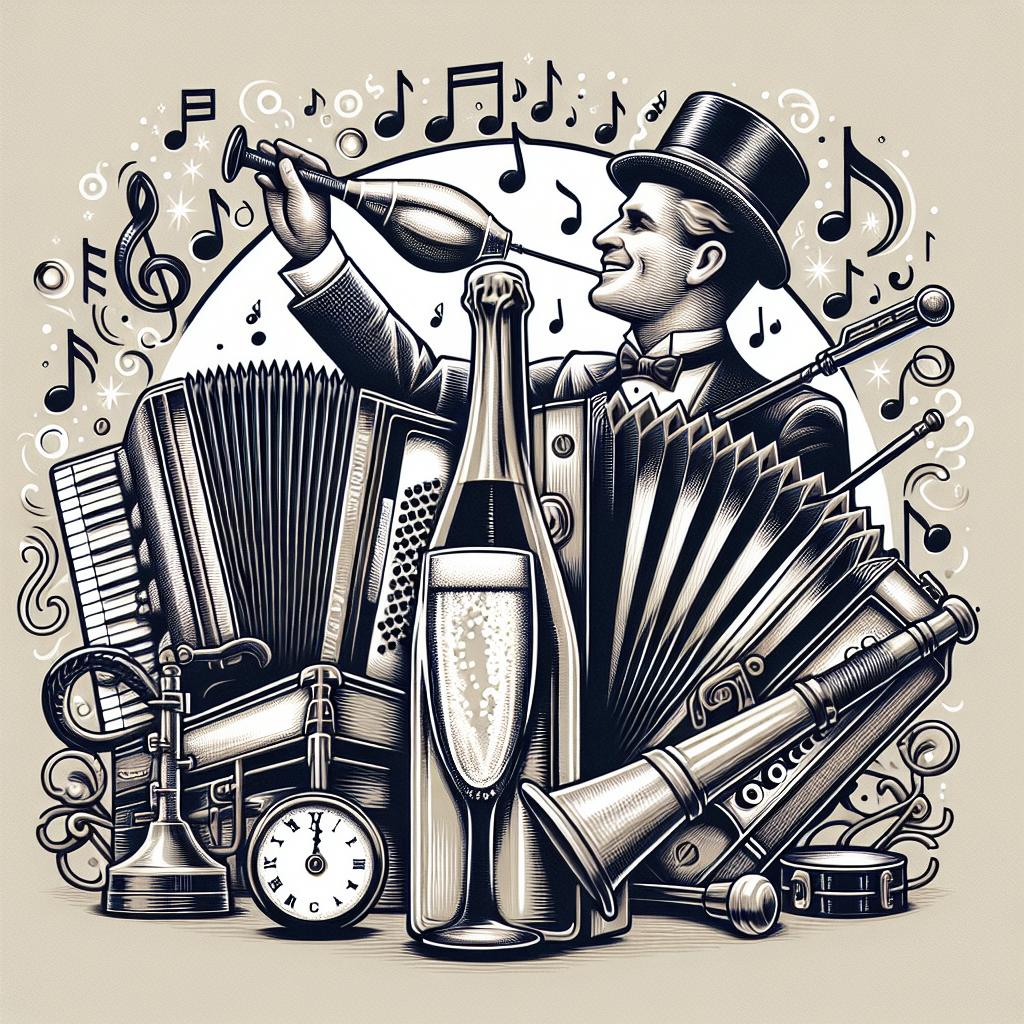
Lawrence Welk (1903-1992) was more than a bandleader; he was an all-around entertainer whose charm and flair for showmanship made him a television icon. Born in North Dakota to German-Russian immigrants, Welk’s musical trajectory started young, learning the accordion and performing locally before hitting the big time.
Welk’s big break came in the 1950s when he transitioned from radio to television with “The Lawrence Welk Show,” which aired nationally. The show ran for an impressive 27 years, captivating audiences with its signature “champagne music.” Welk possessed a knack for connecting with viewers, consistently delivering family-friendly programming filled with polished performances and lively dance numbers.
Citation Information
Understanding Welk’s orchestra requires delving into credible sources. According to the official Lawrence Welk site, his musical group was a staple of American culture, known for its easy-listening tunes that bridged genres. Referencing academic publications, such as those found in musicology journals, also provides insights into the orchestra’s significance and influence.
Supplementary data can be drawn from first-hand accounts and memoirs of band members, as well as reviews from periodicals like TV Guide and newspapers of the era, which frequently highlighted Welk’s show. These sources offer a nuanced perspective on the orchestra’s inner workings, its repertoire, and Welk’s distinct leadership style.
Fact Check
A fact-check reveals that Lawrence Welk’s orchestra was indeed unique in its composition and repertoire. Known for its “light and bubbly” music style, often termed “champagne music,” the orchestra incorporated a mix of brass, woodwinds, strings, and accordion. This distinctive blend helped create the recognizable and enduring sound that many fans still cherish today.
Another interesting aspect is the multi-generational appeal of Welk’s orchestra. The show frequently featured young, promising musicians alongside seasoned veterans, creating a balanced and dynamic performance. This combination, verified through various biographies and televised recordings, substantiates the multi-layered talent within the group, making it a cornerstone of American televised entertainment.
Share this:
Sharing insights into Lawrence Welk’s orchestra allows us to appreciate a unique slice of musical history. Whether you post on social media, discuss in a community forum, or write your own blog, spreading the word invites others to discover and enjoy Welk’s captivating world of music.
Feel free to share this article using the links below or create your own spin on the topic. The more we discuss such historical treasures, the better we preserve and understand the cultural contributions of past generations.
Related
If you found this exploration into Lawrence Welk’s orchestra fascinating, you might also enjoy reading about other iconic television band leaders like Mitch Miller or Don Costa. Each brought their unique flair to the musical landscape, influencing generations of viewers and listeners.
Similarly, diving into the history of televised music programs can shed light on how these shows shaped the entertainment industry. From the early days of radio to the rise of TV, exploring these narratives offers a richer context for appreciating Lawrence Welk’s contributions.
Post navigation
Continue your journey into music history by exploring adjacent topics. Next, you might want to dive into the transformations within the music TV industry during the 20th century or read about the personal stories of musicians from Welk’s orchestra who went on to have significant careers in their own right.
For those intrigued by the broader sweep of musical evolution, examining the impact of technological advancements on music production and distribution during Welk’s era can offer additional layers of understanding.
| Section | Main Points |
|---|---|
| Entertainer |
|
| Citation Information |
|
| Fact Check |
|
| Share This |
|
| Related |
|
| Post Navigation |
|